Youth's Lives Every Day
For LGBTQ young people representation can make the world of a difference. The Trevor Project’s research found that 89% of LGBTQ young people reported that seeing LGBTQ folks in popular TV, movies, and music made them feel good about being LGBTQ. And it seems that powerful representation of LGBTQ folks and of historically marginalized people in general is becoming more and more commonplace.
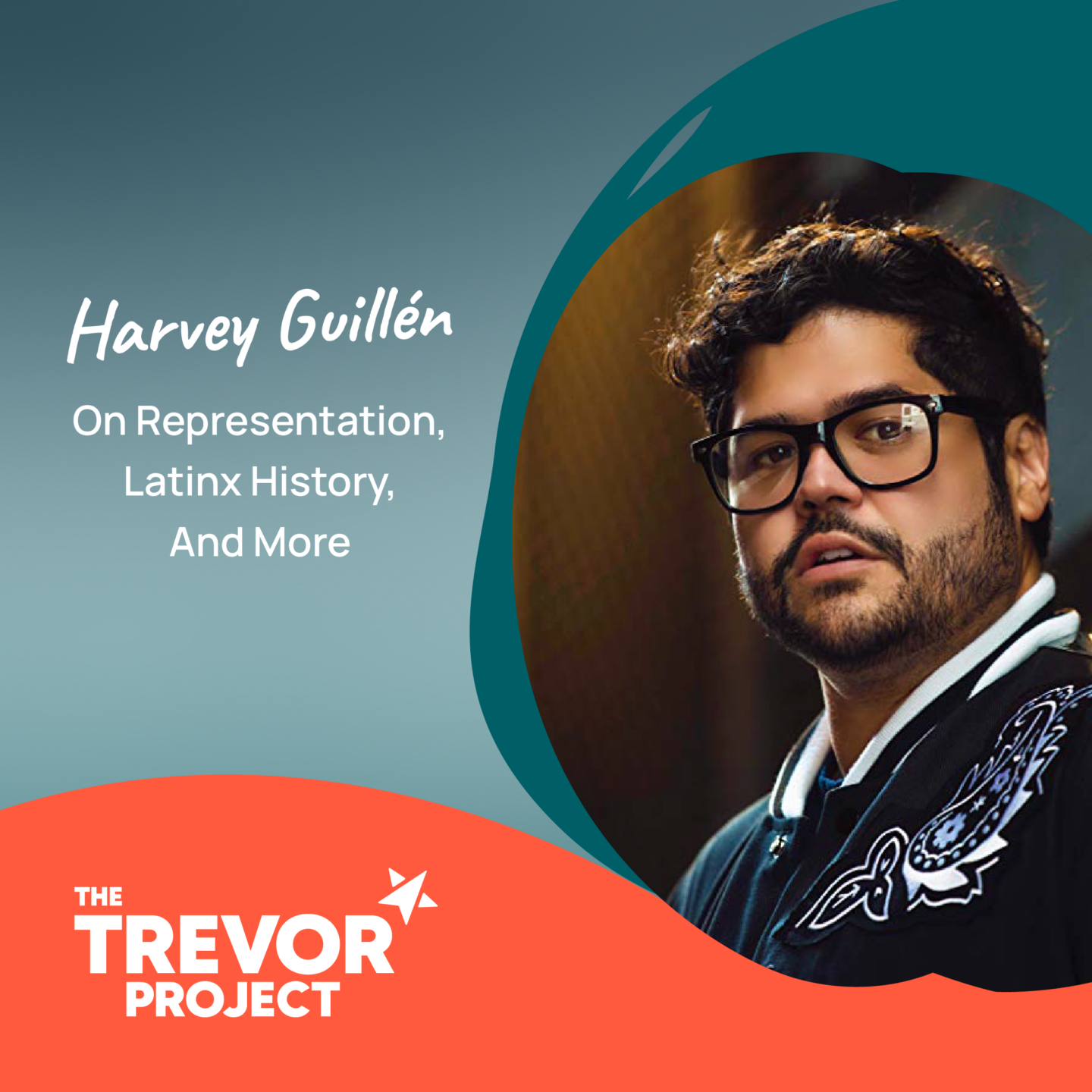
Actor Harvey Guillén from FX’s “What We Do in the Shadows” is one of those LGBTQ folks making strides for representation. In his role as Guillermo, a vampire’s familiar, Harvey plays a character that is both openly queer and Latinx. We talked to Harvey about this and what it means to leave a door open for others to follow.
What does it mean to you to be visibility Latinx and queer in your industry? What does it mean to you to play an openly queer character?
It was important to me to handle my character Guillermo’s coming out story on “What We Do In The Shadows” authentically and with fragile hands. LGBTQ representation in television is so important to see for today’s young people, and it would have meant the world to see someone like me on my screen as a kid.
What does it mean to you to be in community with other queer Latinx folks?
It truly means the world to me. Having grown up in a traditional Mexican household, I constantly felt pressure from my cultural community to conform to more traditional “masculine ideals.” I was lucky enough to have a family that accepted me and thankfully, I felt that was all the community I needed. It’s my hope that today’s queer Latinx community can help other LGBTQ young people feel confident in their identity and part of a community that they need.
Can you share some examples of queer Latinx joy you’ve experienced?
It’s a joy for me to see — and be part of — greater representation of our community on our screens! If you don’t see yourself represented, then be the first. No one left the door ajar for me… so I’ll leave it wide open. Make a line, come on in!
We want to open some space for you to give words of love and support to LGBTQ young people who may be struggling right now.
To those struggling or who may feel alone in their journey: I want you to know I see you, I stand beside you in full support, and I love you as you are. Most importantly, I want LGBTQ young people to know that we need you here and that the world is a better place because you’re in it.
Sue Cardenas-Soto is a Copywriter at The Trevor Project, the world’s largest suicide prevention and mental health organization for lesbian, gay, bisexual, transgender, queer & questioning (LGBTQ) young people. If you or someone you know is feeling hopeless or suicidal, our trained crisis counselors are available 24/7 at 1-866-488-7386 via chat www.TheTrevorProject.org/Get-Help, or by texting START to 678-678.