Youth's Lives Every Day
For over a century, the fight for women’s rights has been marked by both remarkable progress and ongoing challenges. From the suffragists who fought for the right to vote to today’s advocates working for equal pay, reproductive rights, and greater representation, women’s history is a story of resilience, breaking barriers, and expanding opportunities for all.
As we reflect during Women’s History Month, it’s essential to recognize that empowerment is ever-evolving — and that growth must include celebrating and uplifting LGBTQ+ voices.
Historically, women’s rights movements have often centered on the experiences of white, cisgender, heterosexual women, leaving LGBTQ+ women, nonbinary folks, and women of color underrepresented. Figures like Kimberlé Crenshaw have emphasized how intersecting forms of discrimination, such as racism and sexism, shape the experiences of marginalized women. This narrow focus has created additional barriers for those who don’t fit within traditional definitions of womanhood. Expanding our understanding and the scope of empowerment ensures no one is left behind.
To honor the legacy of women’s empowerment, we must embrace a more inclusive approach — one that recognizes the full diversity of identities, experiences, and challenges within the broader spectrum of womanhood. When we expand our understanding of empowerment, we ensure that LGBTQ+ young people see themselves represented in/by this movement. By actively uplifting their voices, we reinforce that their identities matter, their contributions are vital, and they belong in the fight for equity.
Expanding the definition of women’s empowerment means:
Recognizing Intersectionality: Womanhood is shaped by many factors, including race, sexuality, gender identity, and ability. The fight for voting rights was not a singular victory — Black women like Sojourner Truth and Ida B. Wells had to fight both sexism and racism to gain the right to vote decades after white women. Acknowledging these intersections creates a movement that truly uplifts everyone and allows us to see those among us who face different challenges.
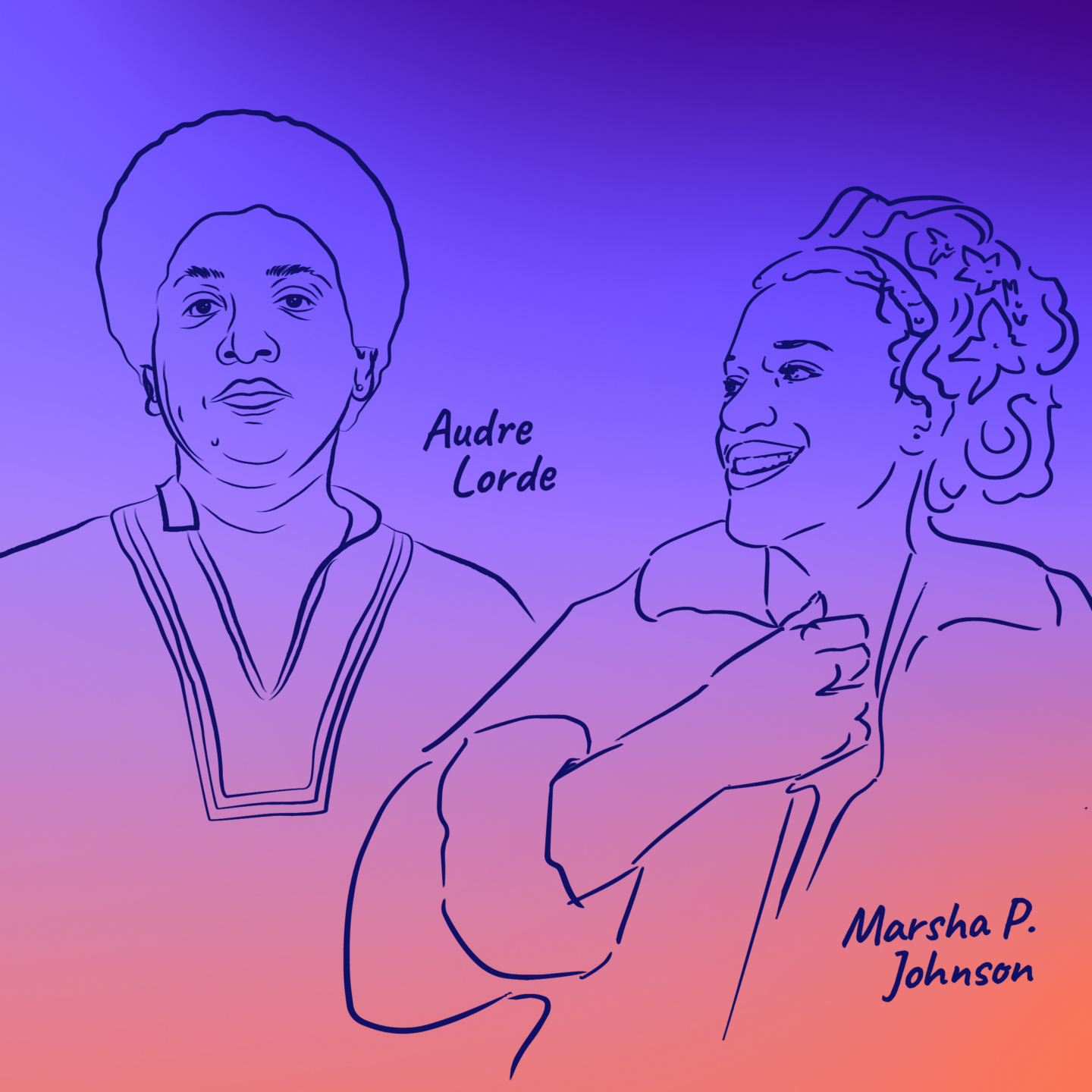
Celebrating LGBTQ+ Role Models: Representation matters. Uplifting the contributions of LGBTQ+ women and allies — from Marsha P. Johnson to Audre Lorde — demonstrates the incredible strength that diversity brings to the movement.
Creating Inclusive Spaces: Everyone deserves environments free of discrimination and stigma. When we build inclusive spaces, we send a powerful message that diversity is celebrated, not just tolerated.
Let the women and female-identifying LGBTQ+ young people in your life know they matter: We know LGBTQ+ young people with at least one accepting adult in their life report significantly lower rates of attempting suicide. Affirmation and appreciation go a long way for adults and young people alike.
As we honor Women’s History Month, let’s commit to a vision of empowerment that reflects the richness of all women’s experiences. By doing so, we not only honor the progress of the past but also build a future where every individual can thrive.