Youth's Lives Every Day
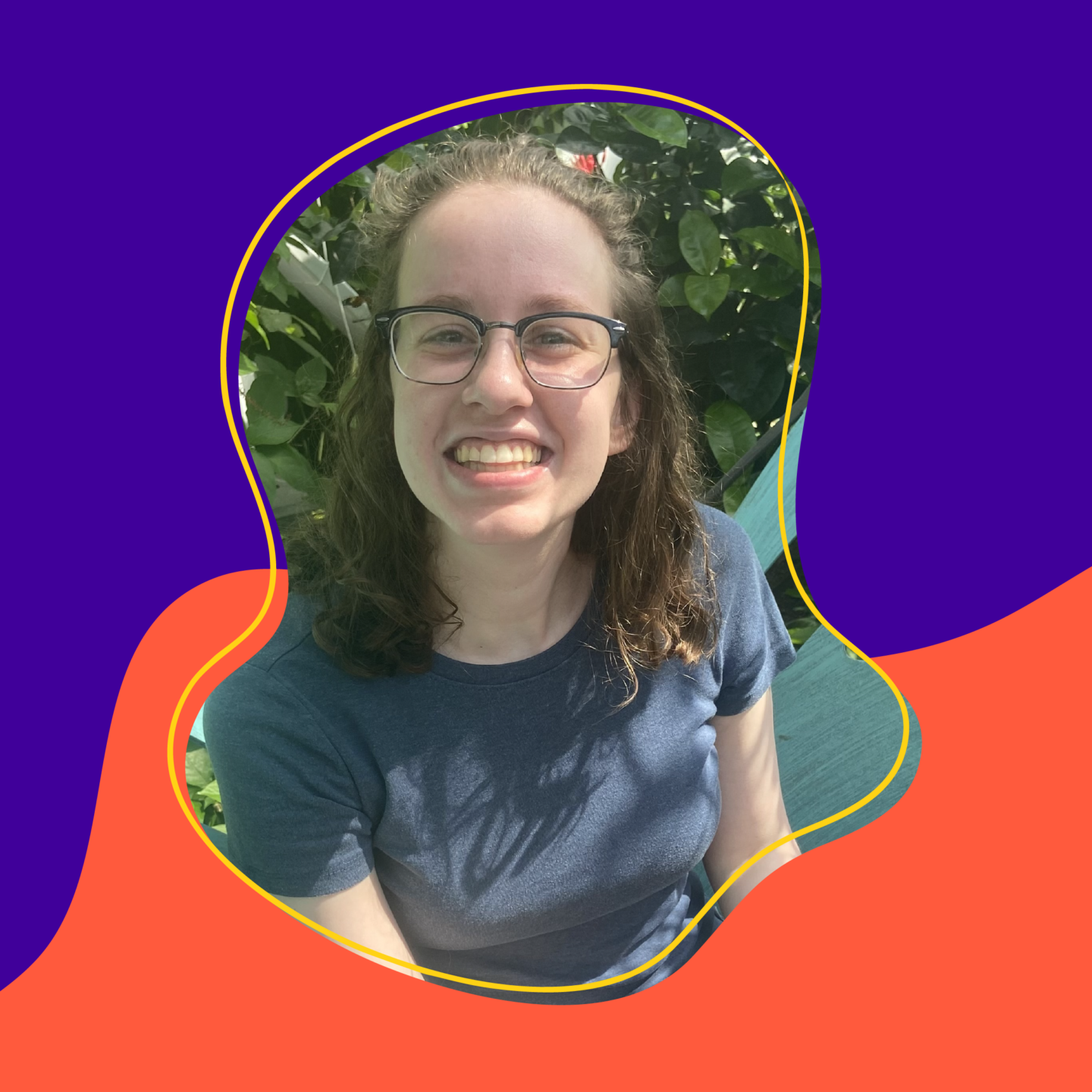
As a kid, I was really good at following the “rules.” Growing up in a more conservative suburb outside of St. Louis, Missouri, my goal was to fit in: that I’d find a good husband, get a decent job, have a couple of kids, travel when I could, live a good life. Like I was expected to, like I was supposed to. Being a lesbian never felt like an option. While I didn’t experience much blatant homophobia, it wasn’t talked about. I didn’t let myself think that I might be gay until college. I was so scared of breaking the rules I had made that I hid the truth from myself for so long, and then from everyone else. But slowly I found myself landing farther and farther from that vision of who I should be.
I finally came out as a lesbian at the age of 22 in June 2020. I was finally able to authentically be myself, as I was, after hiding such a big part of myself for such a long time. However, I then found myself in a different kind of closet just two months later when I started getting sick. Since then, my queerness and my disability have felt inextricably linked.
It also never felt like an option for me to be disabled. I had set high expectations and getting sick meant falling short of who I was supposed to be. In December 2021, I was diagnosed with Postural Orthostatic Tachycardia Syndrome (POTS). This autonomic nervous system disorder causes my heart rate to increase by 30+ beats per minute when I stand up. This causes all sorts of symptoms, including brain fog, dizziness, fatigue, migraines, stomach issues, and more. I struggle almost immediately upon standing, and within 45-60 minutes of sitting up. I currently can’t drive, travel, or live independently. I had a hard time accepting that this was my new normal. This Disability Pride Month, I am finally confident enough to also share my chronic illness publicly.
At The Trevor Project, we’ve found that the intersection of disability and LGBTQ+ identity is correlated with distinct mental health challenges. Among LGBTQ+ young people who reported having a disability, higher rates of recent depression (60% vs. 51%) and anxiety (75% vs. 63%), as well as seriously considering suicide (48% vs. 37%) and attempting suicide (19% vs. 11%), were observed compared to LGBTQ+ young people without disabilities. I can say unequivocally that my physical health has a drastic impact on my mental health, and as a result I’ve needed to seek mental healthcare that understands both my disability and my sexuality.
The intersection of the two can also create unsafe environments for young people trying to be authentically themselves. I am lucky that I live in an affirming household that accepted me coming out. I’m also grateful for my healthcare and that I am able to work remotely with no expectation of travel. Many people in a similar situation as me do not have access to the support they need to thrive as disabled LGBTQ+ young people, and we need to make sure that all young people know that they are loved for who they are, and they are safe in the spaces where they live.
To be honest, this isn’t easy. I sometimes wish that I led a different life, that was closer to the “normal” I used to set rules around as a kid. I don’t know why I am chronically ill. I might never know what caused it. But, come to think of it, I guess I also don’t know why I’m a lesbian. I am getting closer every day to accepting all parts of myself, even if I’m not who I once dreamed of becoming.
When I came out publicly, I wrote that it was a part of myself that I had hidden for too long. And without realizing, when I first spoke about my chronic illness, I said that I was trying to be better about sharing this part of my life even though it’s scary. Talking about my chronic illness has felt like coming out in a way, because of the fear I felt for so long around revealing my true self. In both, I worried constantly about being judged or ostracized. But my sexuality and my disability are critical elements of the whole of me, and I don’t want to hide any longer.
Although the shame I felt about my sexuality was similar to the shame I felt about my chronic illness, my pride I have as a lesbian feels just as meaningful as the pride I am working towards developing in my disability. I no longer prioritize the person I should have been, but I am choosing to love who I am now, all parts of me.